
Discovery & Pre-Clinical DMPK
Discovery & Pre-Clinical DMPK
Aryastha provides a comprehensive range of services encompassing in vitro ADME, toxicity (in vitro ADMET), and in vivo pharmacokinetics (PK), offering rapid evaluations of test articles DMPK properties and toxicity. Our team specializes in crafting robust DMPK packages tailored for submissions to regulatory agencies like FDA, MHRA and GLP.
In vitro ADMET
Our team performs efficient screening assays covering the entire in vitro ADMET spectrum, including solubility, drug absorption and transport, metabolic stability, drug-drug interactions, and in vitro toxicity.
Physiochemical Properties
Solubility (kinetic and thermodynamic)
Solubility determination in biorelevant fluids (SGF and SIF)
pKa
Partition coefficient (LogD)
Protein binding/tissue binding (plasma, blood, brain, kidney, skin, lung, liver microsomes, and hepatocytes)
Blood partitioning
Chemical stability
Drug Absorption and Transport
Permeability evaluation (PAMPA, Caco-2, MDCK-MDR1)
Transporter investigation on substrate and inhibition
ATPase assays
Drug - Drug Interaction
Substrate evaluation & isoform ID (CYP, UGT, AO, FMO, CES, MAO, and XO)
Enzyme inhibition (CYP, UGT, and non-CYP enzymes)
CYP induction (human hepatocytes; HepaRG cells)
Metabolic Stability and Metabolite(s) Identification (met-ID)
Metabolic stability in the liver, intestine, lung, and colon using subcellular fractions
Long-term hepatocyte culture for low-clearance compounds
Plasma/blood stability
Metabolite identification and profiling
GSH trapping
Reactivity of Acyl Glucuronides (Ags)
In Vitro Toxicity
Liver toxicity package (general and mechanistic toxicity evaluation)
Cardiotoxicity
Genotoxicity
Distribution
Protein binding/tissue binding (plasma, blood, microsomes, brain, kidney, skin, lung etc)
Tissue distribution
In vitro ADMET
Our team performs efficient screening assays covering the entire in vitro ADMET spectrum, including solubility, drug absorption and transport, metabolic stability, drug-drug interactions, and in vitro toxicity.
Physiochemical Properties
Solubility (kinetic and thermodynamic)
Solubility determination in biorelevant fluids (SGF and SIF)
pKa
Partition coefficient (LogD)
Protein binding/tissue binding (plasma, blood, brain, kidney, skin, lung, liver microsomes, and hepatocytes)
Blood partitioning
Chemical stability
Drug Absorption and Transport
Permeability evaluation (PAMPA, Caco-2, MDCK-MDR1)
Transporter investigation on substrate and inhibition
ATPase assays
Drug - Drug Interaction
Substrate evaluation & isoform ID (CYP, UGT, AO, FMO, CES, MAO, and XO)
Enzyme inhibition (CYP, UGT, and non-CYP enzymes)
CYP induction (human hepatocytes; HepaRG cells)
Metabolic Stability and Metabolite(s) Identification (met-ID)
Metabolic stability in the liver, intestine, lung, and colon using subcellular fractions
Long-term hepatocyte culture for low-clearance compounds
Plasma/blood stability
Metabolite identification and profiling
GSH trapping
Reactivity of Acyl Glucuronides (Ags)
In Vitro Toxicity
Liver toxicity package (general and mechanistic toxicity evaluation)
Cardiotoxicity
Genotoxicity
Distribution
Protein binding/tissue binding (plasma, blood, microsomes, brain, kidney, skin, lung etc)
Tissue distribution
In vitro ADMET
Our team performs efficient screening assays covering the entire in vitro ADMET spectrum, including solubility, drug absorption and transport, metabolic stability, drug-drug interactions, and in vitro toxicity.
Physiochemical Properties
Solubility (kinetic and thermodynamic)
Solubility determination in biorelevant fluids (SGF and SIF)
pKa
Partition coefficient (LogD)
Protein binding/tissue binding (plasma, blood, brain, kidney, skin, lung, liver microsomes, and hepatocytes)
Blood partitioning
Chemical stability
Drug Absorption and Transport
Permeability evaluation (PAMPA, Caco-2, MDCK-MDR1)
Transporter investigation on substrate and inhibition
ATPase assays
Drug - Drug Interaction
Substrate evaluation & isoform ID (CYP, UGT, AO, FMO, CES, MAO, and XO)
Enzyme inhibition (CYP, UGT, and non-CYP enzymes)
CYP induction (human hepatocytes; HepaRG cells)
Metabolic Stability and Metabolite(s) Identification (met-ID)
Metabolic stability in the liver, intestine, lung, and colon using subcellular fractions
Long-term hepatocyte culture for low-clearance compounds
Plasma/blood stability
Metabolite identification and profiling
GSH trapping
Reactivity of Acyl Glucuronides (Ags)
In Vitro Toxicity
Liver toxicity package (general and mechanistic toxicity evaluation)
Cardiotoxicity
Genotoxicity
Distribution
Protein binding/tissue binding (plasma, blood, microsomes, brain, kidney, skin, lung etc)
Tissue distribution
In Vivo PK
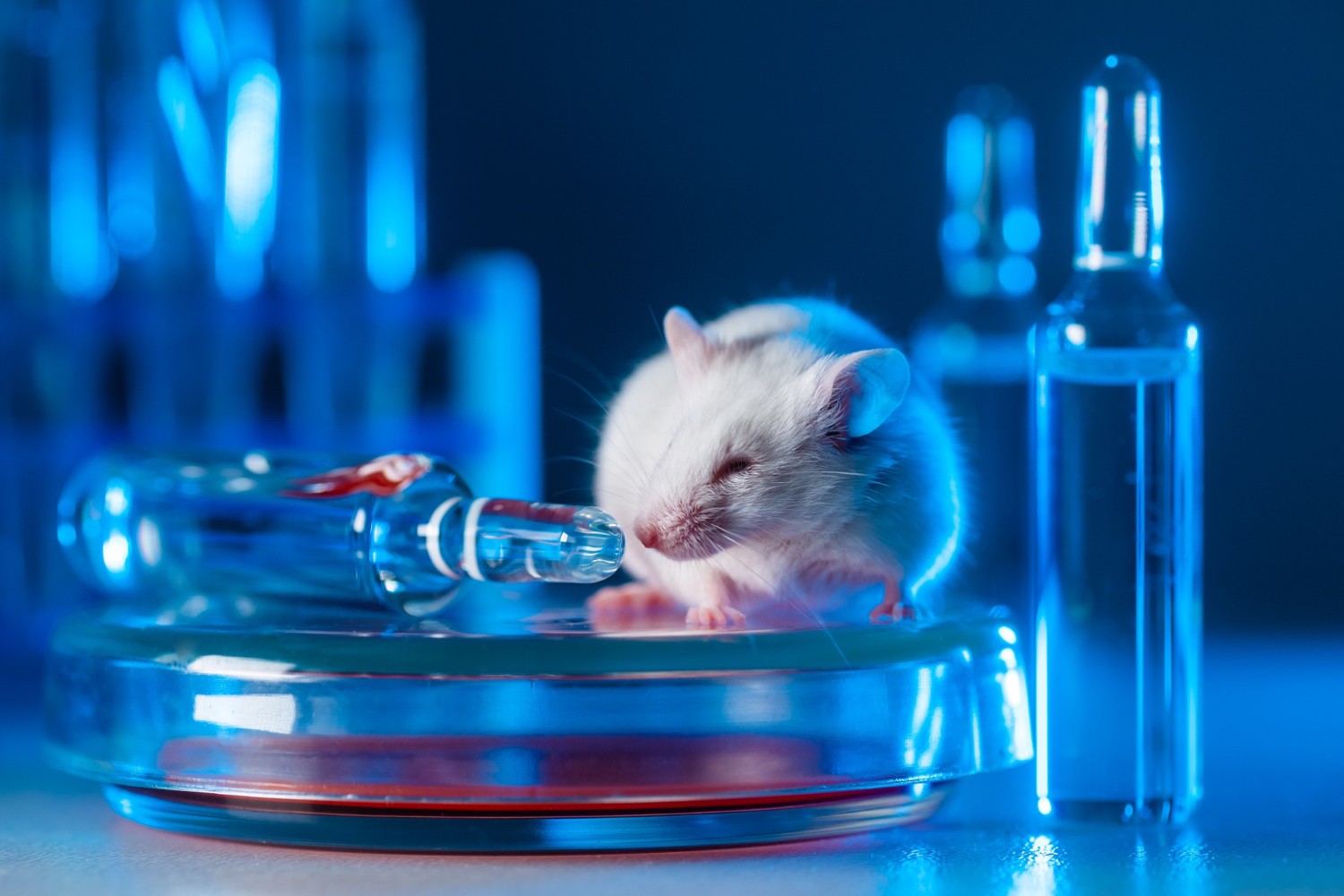
Aryastha offers PK, toxicokinetics (TK), and formulation analysis services to support drug discovery and preclinical development. All in-life work of PK/TK studies is conducted in AAALAC accredited animal facilities and follows CPCSEA (equivalent to IACUC) approved study protocols.
Formulation screening
Cassette and single compound PK in mouse, rat, rabbit, mini pig, guinea pig, dog, monkey
Unique dosing routes: infusion, intratracheal, intracolon, etc.
Portal vein and bile duct cannulation
Quantitative analysis of samples with various biological matrices
Microdialysis for compound unbound concentration measurement
Evaluating intestinal permeability, metabolism, and transporter's interaction
PK/PD
PK/PD studies play a vital role in confirming the exposure of the test article in systemic circulation and tissues, particularly target organs. These studies also facilitate understanding the correlation between test article exposure and its pharmacodynamic (PD) effect, utilizing healthy and diseased animal models.
The quantification of biomarkers is expertly conducted by our In vitro biology and ex vivo pharmacology teams, encompassing the assessment of
System circulation exposure
Tissue exposure
Biomarker analysis

Regulatory DMPK
Aryastha offers comprehensive IND filing DMPK packages meticulously designed to meet the regulatory requirements set forth by FDA, OECD, Indian GLP and MHRA. Our In vitro ADME filing package studies encompass regulatory considerations such as
Protein binding and blood partitioning
Metabolism and metabolite identification
Permeability and transportation assessments
Evaluations of drug-drug interactions
In Vivo PK
Aryastha offers PK, toxicokinetics (TK), and formulation analysis services to support drug discovery and preclinical development. All in-life work of PK/TK studies is conducted in AAALAC accredited animal facilities and follows CPCSEA (equivalent to IACUC) approved study protocols.
Formulation screening
Cassette and single compound PK in mouse, rat, rabbit, mini pig, guinea pig, dog, monkey
Unique dosing routes: infusion, intratracheal, intracolon, etc.
Portal vein and bile duct cannulation
Quantitative analysis of samples with various biological matrices
Microdialysis for compound unbound concentration measurement
Evaluating intestinal permeability, metabolism, and transporter's interaction
PK/PD
PK/PD studies play a vital role in confirming the exposure of the test article in systemic circulation and tissues, particularly target organs. These studies also facilitate understanding the correlation between test article exposure and its pharmacodynamic (PD) effect, utilizing healthy and diseased animal models.
The quantification of biomarkers is expertly conducted by our In vitro biology and ex vivo pharmacology teams, encompassing the assessment of
System circulation exposure
Tissue exposure
Biomarker analysis
Regulatory DMPK
Aryastha offers comprehensive IND filing DMPK packages meticulously designed to meet the regulatory requirements set forth by FDA, OECD, Indian GLP and MHRA. Our In vitro ADME filing package studies encompass regulatory considerations such as
Protein binding and blood partitioning
Metabolism and metabolite identification
Permeability and transportation assessments
Evaluations of drug-drug interactions
In Vivo PK
Aryastha offers PK, toxicokinetics (TK), and formulation analysis services to support drug discovery and preclinical development. All in-life work of PK/TK studies is conducted in AAALAC accredited animal facilities and follows CPCSEA (equivalent to IACUC) approved study protocols.
Formulation screening
Cassette and single compound PK in mouse, rat, rabbit, mini pig, guinea pig, dog, monkey
Unique dosing routes: infusion, intratracheal, intracolon, etc.
Portal vein and bile duct cannulation
Quantitative analysis of samples with various biological matrices
Microdialysis for compound unbound concentration measurement
Evaluating intestinal permeability, metabolism, and transporter's interaction
PK/PD
PK/PD studies play a vital role in confirming the exposure of the test article in systemic circulation and tissues, particularly target organs. These studies also facilitate understanding the correlation between test article exposure and its pharmacodynamic (PD) effect, utilizing healthy and diseased animal models.
The quantification of biomarkers is expertly conducted by our In vitro biology and ex vivo pharmacology teams, encompassing the assessment of
System circulation exposure
Tissue exposure
Biomarker analysis
Regulatory DMPK
Aryastha offers comprehensive IND filing DMPK packages meticulously designed to meet the regulatory requirements set forth by FDA, OECD, Indian GLP and MHRA. Our In vitro ADME filing package studies encompass regulatory considerations such as
Protein binding and blood partitioning
Metabolism and metabolite identification
Permeability and transportation assessments
Evaluations of drug-drug interactions
Our in vivo PK filing package studies encompass
Single and repeated-dosing PK studies on both rodent and non-rodent
Comprehensive assessments of mass balance and tissue distribution
In vivo metabolite identification and analysis
Our in vivo PK filing package studies encompass
Single and repeated-dosing PK studies on both rodent and non-rodent
Comprehensive assessments of mass balance and tissue distribution
In vivo metabolite identification and analysis
Our in vivo PK filing package studies encompass
Single and repeated-dosing PK studies on both rodent and non-rodent
Comprehensive assessments of mass balance and tissue distribution
In vivo metabolite identification and analysis
In Vivo Pharmacology
In Vivo Pharmacology
Our in vivo pharmacology team delivers comprehensive in vivo and ex vivo pharmacology services across key therapeutic domains, including oncology/immuno-oncology, metabolic disorders, and inflammatory diseases.
Animal Disease Models
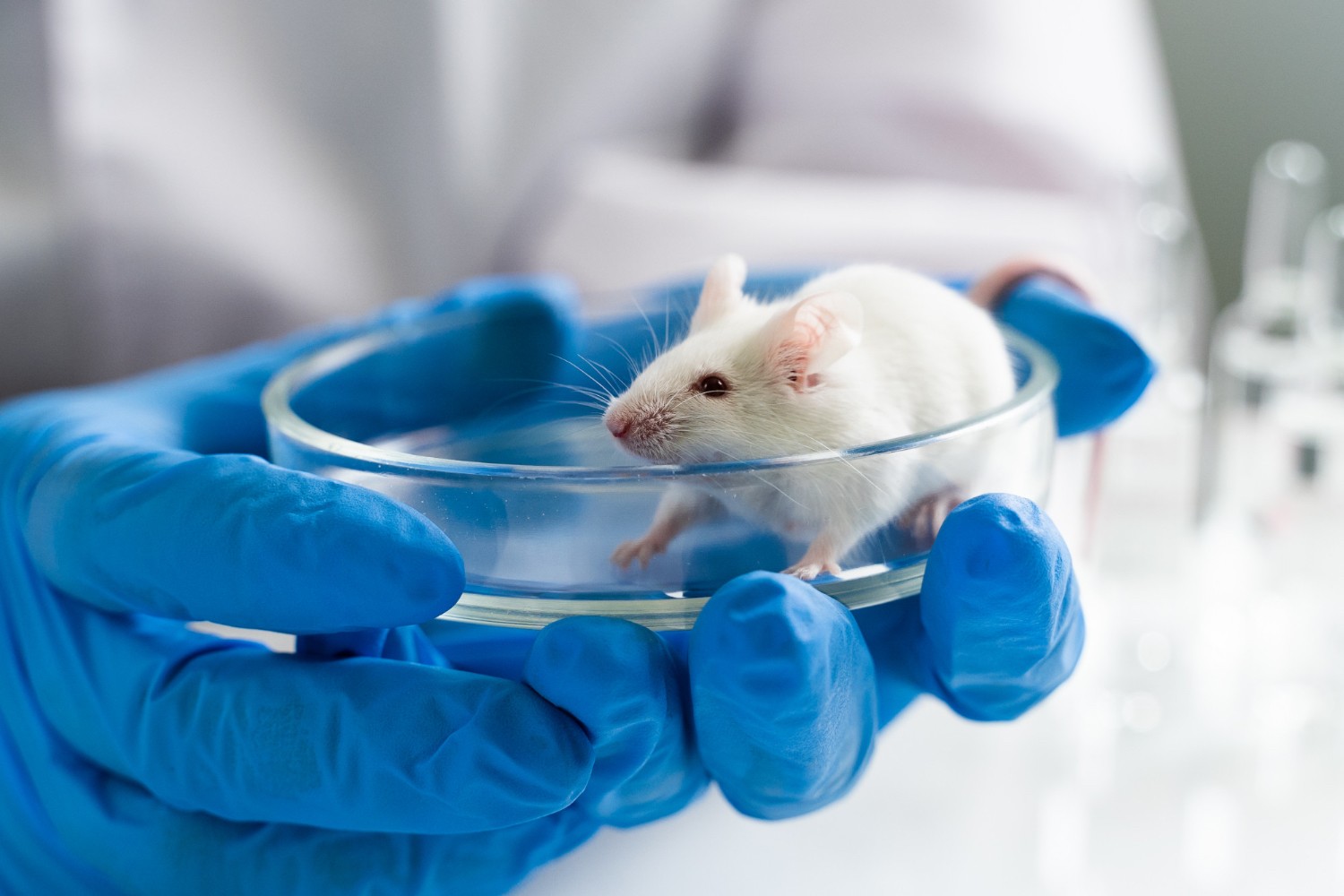
Our in vivo pharmacology team possesses expertise in establishing and validating disease models for efficacy screening and conducting in vivo pharmacology profiling, PK/PD, and MOA studies. Complemented by our internal PK/Bioanalytical, ex vivo pharmacology, and in vitro biology teams.
Oncology Models
Extensive cancer cell lines and tumor bank
CDX models and PDX models with access to human tumor samples through a local hospitals
Syngeneic models with immune profiles, SOC data, and orthotopic imaging models encompassing hundreds of human and murine cancer cell lines
Metabolic Models
Metabolic models, obesity, diabetes, NAFLD & NASH
Cardiovascular diseases (MCAO, SHR, cardiac ischemia/reperfusion, hyperlipidemia)
Organ damage diseases models (CKD)
Respiratory disease models (lung inflammation and fibrosis)
Inflammation and pain models
Acute and chronic pain models
Immune disease models and non-immune inflammatory models
Arthritis, visceral pain, surgery pain, neuropathic pain models, and PD/PK models
Animal Disease Models
Our in vivo pharmacology team possesses expertise in establishing and validating disease models for efficacy screening and conducting in vivo pharmacology profiling, PK/PD, and MOA studies. Complemented by our internal PK/Bioanalytical, ex vivo pharmacology, and in vitro biology teams.
Oncology Models
Extensive cancer cell lines and tumor bank
CDX models and PDX models with access to human tumor samples through a local hospitals
Syngeneic models with immune profiles, SOC data, and orthotopic imaging models encompassing hundreds of human and murine cancer cell lines
Metabolic Models
Metabolic models, obesity, diabetes, NAFLD & NASH
Cardiovascular diseases (MCAO, SHR, cardiac ischemia/reperfusion, hyperlipidemia)
Organ damage diseases models (CKD)
Respiratory disease models (lung inflammation and fibrosis)
Inflammation and pain models
Acute and chronic pain models
Immune disease models and non-immune inflammatory models
Arthritis, visceral pain, surgery pain, neuropathic pain models, and PD/PK models
Ex vivo Pharmacology & Biomarkers
Ex vivo analysis confirms the in vivo effects of test articles and establishes the correlation between efficacy, target engagement and biomarkers. All samples utilized in ex vivo analysis are derived from animals involved in the study, encompassing blood, plasma, cerebrospinal fluid (CSF), various body fluids, tissue extractions, urine, and feces.
Our gene and protein analysis platforms - RT-PCR, ELISPOT, Auto MACS Pro, Alpha LISA, Western Blot, and MSD
FACS analysis on cells, blood, and tissue samples
Histology, histochemistry, and immunohistochemistry
Clinical blood biochemistry, hematology, bone marrow smear, and staining
Analysis of body fluids, urine, and feces extractions
PK/PD
PK/PD studies play a pivotal role in validating the exposure of the test article and biomarker levels within the systemic circulation and tissues, with a particular focus on target organs.
This aids in comprehending the correlation between the test article's exposure and its pharmacodynamic (PD) effect, utilizing both healthy and diseased animal models.
These studies encompass various aspects,
Determination of the maximum tolerated dose
Range finding for dosages
Assessment of compound exposure in blood and tissues
Analysis of biomarker levels in blood and tissues
Ex vivo Pharmacology & Biomarkers
Ex vivo analysis confirms the in vivo effects of test articles and establishes the correlation between efficacy, target engagement and biomarkers. All samples utilized in ex vivo analysis are derived from animals involved in the study, encompassing blood, plasma, cerebrospinal fluid (CSF), various body fluids, tissue extractions, urine, and feces.
Our gene and protein analysis platforms - RT-PCR, ELISPOT, Auto MACS Pro, Alpha LISA, Western Blot, and MSD
FACS analysis on cells, blood, and tissue samples
Histology, histochemistry, and immunohistochemistry
Clinical blood biochemistry, hematology, bone marrow smear, and staining
Analysis of body fluids, urine, and feces extractions
PK/PD
PK/PD studies play a pivotal role in validating the exposure of the test article and biomarker levels within the systemic circulation and tissues, with a particular focus on target organs.
This aids in comprehending the correlation between the test article's exposure and its pharmacodynamic (PD) effect, utilizing both healthy and diseased animal models.
These studies encompass various aspects,
Determination of the maximum tolerated dose
Range finding for dosages
Assessment of compound exposure in blood and tissues
Analysis of biomarker levels in blood and tissues
Ex vivo Pharmacology & Biomarkers
Ex vivo analysis confirms the in vivo effects of test articles and establishes the correlation between efficacy, target engagement and biomarkers. All samples utilized in ex vivo analysis are derived from animals involved in the study, encompassing blood, plasma, cerebrospinal fluid (CSF), various body fluids, tissue extractions, urine, and feces.
Our gene and protein analysis platforms - RT-PCR, ELISPOT, Auto MACS Pro, Alpha LISA, Western Blot, and MSD
FACS analysis on cells, blood, and tissue samples
Histology, histochemistry, and immunohistochemistry
Clinical blood biochemistry, hematology, bone marrow smear, and staining
Analysis of body fluids, urine, and feces extractions
PK/PD
PK/PD studies play a pivotal role in validating the exposure of the test article and biomarker levels within the systemic circulation and tissues, with a particular focus on target organs.
This aids in comprehending the correlation between the test article's exposure and its pharmacodynamic (PD) effect, utilizing both healthy and diseased animal models.
These studies encompass various aspects,
Determination of the maximum tolerated dose
Range finding for dosages
Assessment of compound exposure in blood and tissues
Analysis of biomarker levels in blood and tissues
Aryastha's accelerated
late-stage lead optimization

Aryastha's accelerated late-stage lead optimization service delivers crucial data to facilitate rapid and informed decisions in selecting and advancing the most suitable lead candidate(s) before embarking on IND-enabling toxicology studies. This efficient solution ensures the provision of essential data within a matter of weeks. Our services encompass the following
In vivo Tissue Distribution
Comparative target-distribution insights across a range of closely related compounds. This helps confirm whether the test compound(s) effectively reach the intended tissues or potentially accumulate in vulnerable tissues.
In vitro Metabolism
Rapid turnaround time
Quantitative comparison of metabolites formed in hepatocytes from human and non-clinical species (mouse, rat, dog, minipig, monkey, and human). This information is instrumental in choosing the most appropriate toxicology species based on metabolic relevance
Identifying potential human-specific metabolites early and providing insights into metabolite safety concerns
Structural identification of metabolites (Met-ID) through High-Resolution Mass Spectrometry (HRMS)
Aryastha's accelerated
late-stage lead optimization
Aryastha's accelerated late-stage lead optimization service delivers crucial data to facilitate rapid and informed decisions in selecting and advancing the most suitable lead candidate(s) before embarking on IND-enabling toxicology studies. This efficient solution ensures the provision of essential data within a matter of weeks. Our services encompass the following
In vivo Tissue Distribution
Comparative target-distribution insights across a range of closely related compounds. This helps confirm whether the test compound(s) effectively reach the intended tissues or potentially accumulate in vulnerable tissues.
In vitro Metabolism
Rapid turnaround time
Quantitative comparison of metabolites formed in hepatocytes from human and non-clinical species (mouse, rat, dog, minipig, monkey, and human). This information is instrumental in choosing the most appropriate toxicology species based on metabolic relevance
Identifying potential human-specific metabolites early and providing insights into metabolite safety concerns
Structural identification of metabolites (Met-ID) through High-Resolution Mass Spectrometry (HRMS)
Aryastha's accelerated
late-stage lead optimization
Aryastha's accelerated late-stage lead optimization service delivers crucial data to facilitate rapid and informed decisions in selecting and advancing the most suitable lead candidate(s) before embarking on IND-enabling toxicology studies. This efficient solution ensures the provision of essential data within a matter of weeks. Our services encompass the following
In vivo Tissue Distribution
Comparative target-distribution insights across a range of closely related compounds. This helps confirm whether the test compound(s) effectively reach the intended tissues or potentially accumulate in vulnerable tissues.
In vitro Metabolism
Rapid turnaround time
Quantitative comparison of metabolites formed in hepatocytes from human and non-clinical species (mouse, rat, dog, minipig, monkey, and human). This information is instrumental in choosing the most appropriate toxicology species based on metabolic relevance
Identifying potential human-specific metabolites early and providing insights into metabolite safety concerns
Structural identification of metabolites (Met-ID) through High-Resolution Mass Spectrometry (HRMS)
Contact Us
Contact Us
Contact Us