
Medicinal Chemistry
Medicinal Chemistry
Medicinal chemistry within the realm of drug discovery involves the intricate process of conceiving and developing new medicines. While this journey is lengthy, complex, expensive, and risky, the potential benefits for millions of patients with serious illnesses serve as a constant driving force. Central to this effort is medicinal chemistry, a discipline that meticulously selects and crafts compounds. These compounds establish critical structure-activity relationships (SARs), ensuring efficacy and safety through preclinical in vitro, ex vivo and in vivo models.
Medicinal Chemistry
Leveraging insights from Arystha's experience in honing the drug discovery process, a key improvement involves conducting more in vivo testing at an earlier stage. This advancement empowers medicinal chemists to champion their potential drug candidates. These medicinal chemists are essential team members of interdisciplinary groups, adept at foreseeing challenges in transitioning in vitro activity to in vivo and driving the project forward.
When a promising 'HIT' is identified, the medicinal chemist strategizes to explore the SARs within a structural compound family, thus optimizing desired biological activities. The medicinal chemist is also primarily responsible for establishing the hit compound's effectiveness in a suitable preclinical model. This task is one of the most challenging phases involving a comprehensive study of LEAD compounds to comprehend absorption, in vivo distribution, metabolism rate, and excretion (ADME). The ultimate objective during this stage is to optimize the compound's effectiveness while minimizing any potential adverse effects within the animal model.
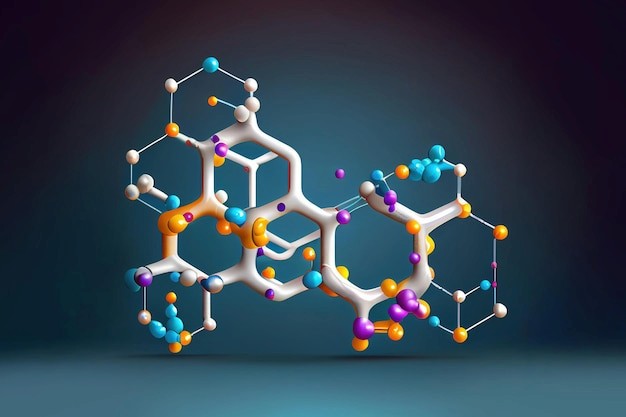

Addressing pharmacokinetic challenges through innovative approaches
In vitro, data serves as the primary reference for SAR (structure-activity relationship) studies. However, it doesn't adequately guide medicinal chemists in overcoming pharmacokinetic issues. Conversely, relying solely on in vivo animal models to gauge pharmacokinetics has its limitations. Notably, discrepancies between how drugs are absorbed and metabolized in humans versus rodents can result in drugs that function well in rodents but not in humans.
To circumvent these challenges, predictive in vitro, screening aims to forecast human pharmacokinetic behavior by assessing metabolism using human microsomes, hepatocytes, and recombinant human P450 enzymes to surmount this limitation. Permeability and transporter assays are also deployed to understand how effectively a drug is absorbed or excreted (ADME) from target organs. Moreover, selected compounds need in vivo profiling to validate the accuracy of in vitro predictions regarding in vivo performance, encompassing pharmacokinetic behavior.
Aryastha's Pursuit of Drug-Like Compounds
Designing compounds with drug-like properties
A strategic approach to tackle how drugs within the body involve predicting and designing compounds with drug-like properties. Compounds that are highly lipophilic and have high molecular mass often exhibit potent in vitro activity by keeping water away from the enzyme or receptor surface, allowing additional hydrophobic interactions. Additionally, these compounds typically lack drug like properties due to their limited solubility in water, off-target activity due to promiscuous nature of the compound. Further, leading to inadequate pharmacokinetics and oral absorption.
In vitro assessments of toxicity
In vitro toxicity assessments identify compounds expected to fail due to safety concerns. Tests such as the Ames test, coupled with evaluations for mutagenicity and carcinogenicity, including screening for the hERG channel, help filter out problematic compounds. Compounds that interfere with the hERG channel can lead to irregular heartbeats, ventricular fibrillation, and even fatalities.
Syncing animal and in vitro testing
In the early stages of drug discovery, synchronizing animal testing with in vitro evaluations offers a distinct advantage. Additionally, correlating in vitro pharmacokinetics assessments with animal testing data can establish a solid foundation for chemists to address pharmacokinetic challenges. This approach also aids in identifying lead compounds based on their promising in vivo activities or pharmacokinetic attributes that might have been disregarded solely based on in vitro testing outcomes.
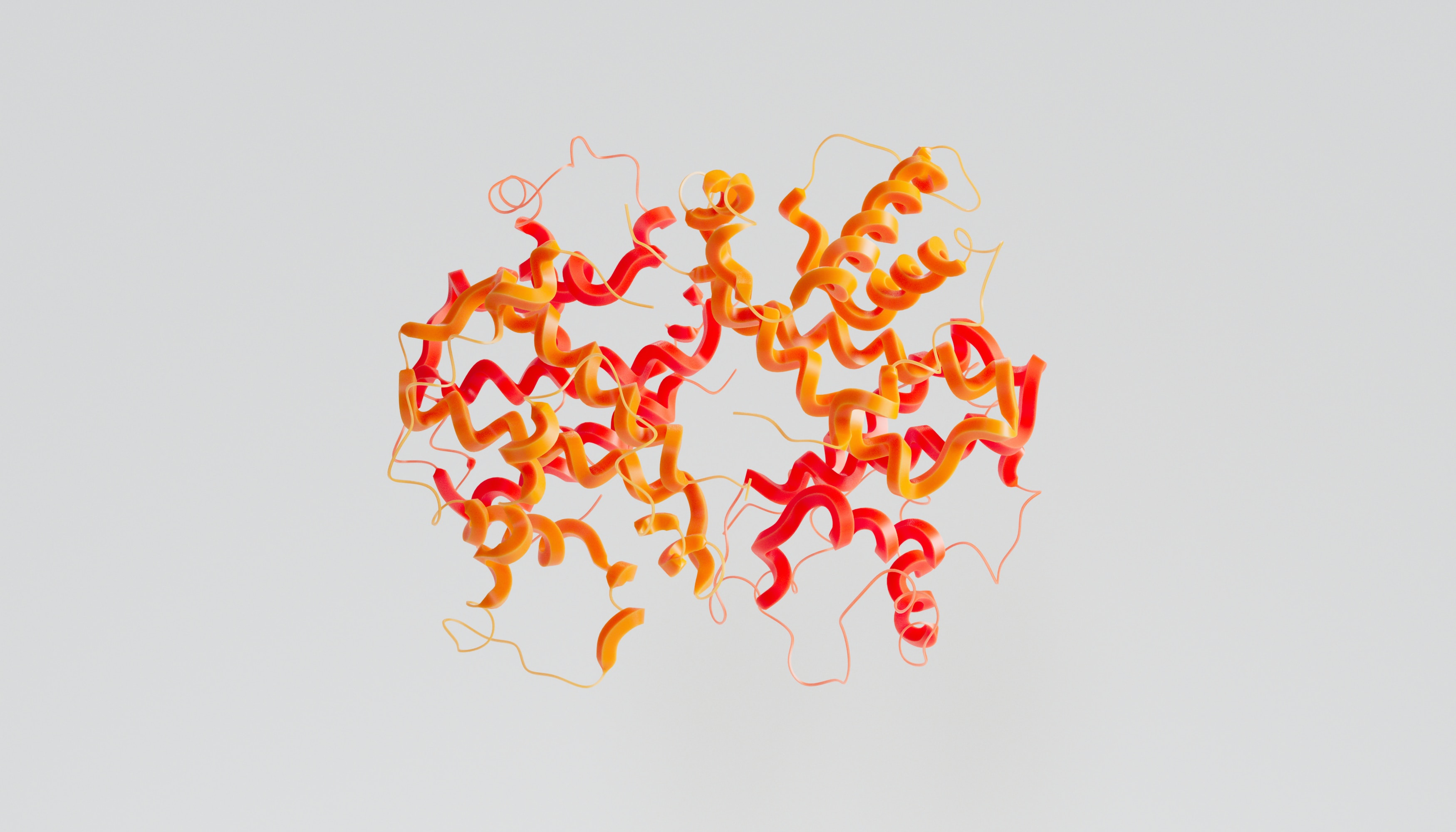
Aryastha's Pursuit of Drug-Like Compounds
Designing compounds with drug-like properties
A strategic approach to tackle how drugs within the body involve predicting and designing compounds with drug-like properties. Compounds that are highly lipophilic and have high molecular mass often exhibit potent in vitro activity by keeping water away from the enzyme or receptor surface, allowing additional hydrophobic interactions. Additionally, these compounds typically lack drug like properties due to their limited solubility in water, off-target activity due to promiscuous nature of the compound. Further, leading to inadequate pharmacokinetics and oral absorption.
In vitro assessments of toxicity
In vitro toxicity assessments identify compounds expected to fail due to safety concerns. Tests such as the Ames test, coupled with evaluations for mutagenicity and carcinogenicity, including screening for the hERG channel, help filter out problematic compounds. Compounds that interfere with the hERG channel can lead to irregular heartbeats, ventricular fibrillation, and even fatalities.
Syncing animal and in vitro testing
In the early stages of drug discovery, synchronizing animal testing with in vitro evaluations offers a distinct advantage. Additionally, correlating in vitro pharmacokinetics assessments with animal testing data can establish a solid foundation for chemists to address pharmacokinetic challenges. This approach also aids in identifying lead compounds based on their promising in vivo activities or pharmacokinetic attributes that might have been disregarded solely based on in vitro testing outcomes.
Contact Us
Contact Us
Contact Us
Medicinal Chemistry
Leveraging insights from Arystha's experience in honing the drug discovery process, a key improvement involves conducting more in vivo testing at an earlier stage. This advancement empowers medicinal chemists to champion their potential drug candidates. These medicinal chemists are essential team members of interdisciplinary groups, adept at foreseeing challenges in transitioning in vitro activity to in vivo and driving the project forward.
When a promising 'HIT' is identified, the medicinal chemist strategizes to explore the SARs within a structural compound family, thus optimizing desired biological activities. The medicinal chemist is also primarily responsible for establishing the hit compound's effectiveness in a suitable preclinical model. This task is one of the most challenging phases involving a comprehensive study of LEAD compounds to comprehend absorption, in vivo distribution, metabolism rate, and excretion (ADME). The ultimate objective during this stage is to optimize the compound's effectiveness while minimizing any potential adverse effects within the animal model.
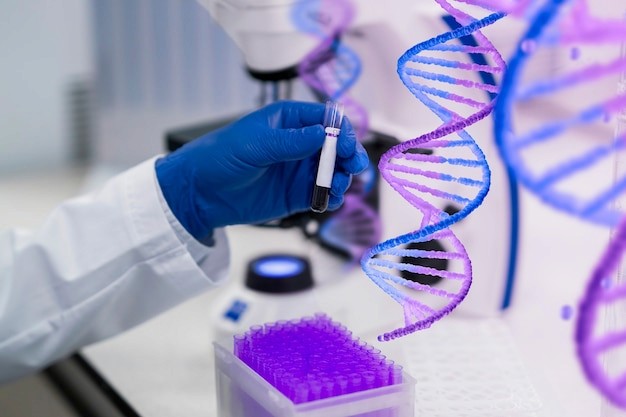
Addressing pharmacokinetic challenges through innovative approaches
In vitro, data serves as the primary reference for SAR (structure-activity relationship) studies. However, it doesn't adequately guide medicinal chemists in overcoming pharmacokinetic issues. Conversely, relying solely on in vivo animal models to gauge pharmacokinetics has its limitations. Notably, discrepancies between how drugs are absorbed and metabolized in humans versus rodents can result in drugs that function well in rodents but not in humans.
To circumvent these challenges, predictive in vitro, screening aims to forecast human pharmacokinetic behavior by assessing metabolism using human microsomes, hepatocytes, and recombinant human P450 enzymes to surmount this limitation. Permeability and transporter assays are also deployed to understand how effectively a drug is absorbed or excreted (ADME) from target organs. Moreover, selected compounds need in vivo profiling to validate the accuracy of in vitro predictions regarding in vivo performance, encompassing pharmacokinetic behavior.
Aryastha's Pursuit of Drug-Like Compounds
Designing compounds with drug-like properties
A strategic approach to tackle how drugs within the body involve predicting and designing compounds with drug-like properties. Compounds that are highly lipophilic and have high molecular mass often exhibit potent in vitro activity by keeping water away from the enzyme or receptor surface, allowing additional hydrophobic interactions. Additionally, these compounds typically lack drug like properties due to their limited solubility in water, off-target activity due to promiscuous nature of the compound. Further, leading to inadequate pharmacokinetics and oral absorption.
In vitro assessments of toxicity
In vitro toxicity assessments identify compounds expected to fail due to safety concerns. Tests such as the Ames test, coupled with evaluations for mutagenicity and carcinogenicity, including screening for the hERG channel, help filter out problematic compounds. Compounds that interfere with the hERG channel can lead to irregular heartbeats, ventricular fibrillation, and even fatalities.
Syncing animal and in vitro testing
In the early stages of drug discovery, synchronizing animal testing with in vitro evaluations offers a distinct advantage. Additionally, correlating in vitro pharmacokinetics assessments with animal testing data can establish a solid foundation for chemists to address pharmacokinetic challenges. This approach also aids in identifying lead compounds based on their promising in vivo activities or pharmacokinetic attributes that might have been disregarded solely based on in vitro testing outcomes.